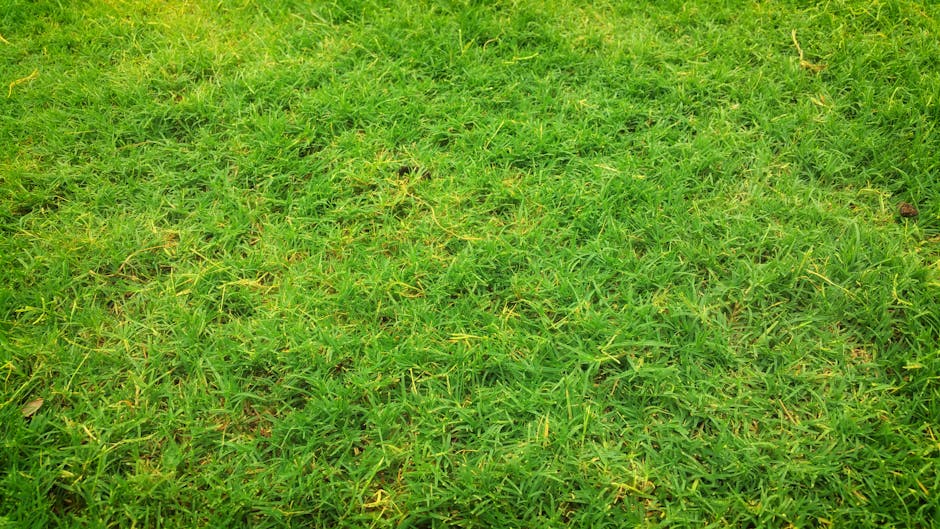
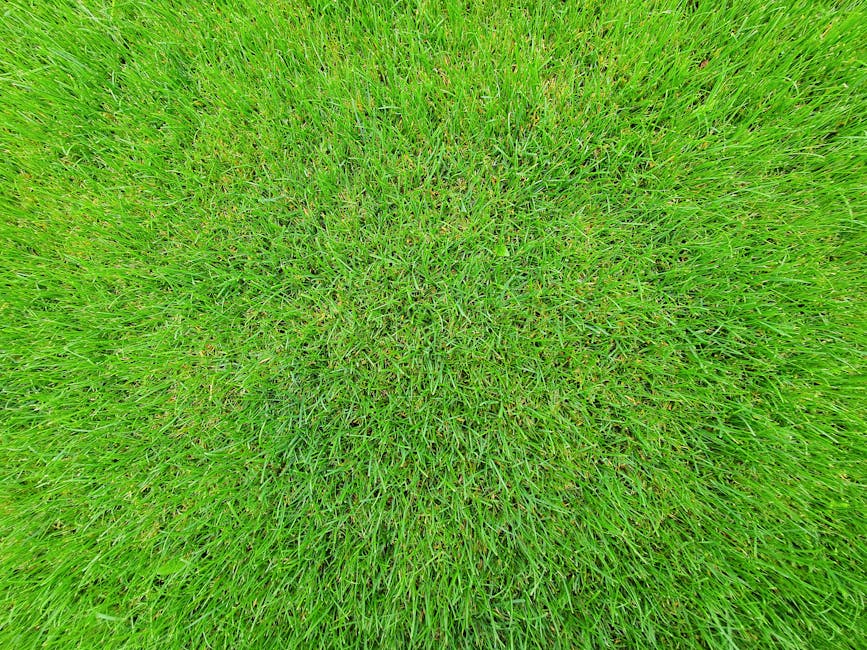
Best turf laying guide for compact UK front gardens
If your front garden is small, awkwardly shaped, or just a bit tired-looking, turf can be the quickest way to make it feel neat, welcoming, and properly finished. But compact spaces are also the easiest places to get turf wrong. One uneven patch, one poor edge, or one bit of skipped prep, and the whole thing can look off. This Best turf laying guide for compact UK front gardens walks you through the practical steps that matter, from ground preparation to aftercare, with a proper eye on the realities of UK weather, narrow access, and everyday use.
In a small front garden, every inch counts. That means you need to think about drainage, edging, shade, foot traffic, and how the lawn sits against paths, fences, and the house. It sounds simple. It rarely is. The good news? With the right approach, you can get a lawn that looks balanced, wears well, and is much easier to maintain than a patchy, overcomplicated space.
Practical summary: For compact front gardens, the best turfing results usually come from careful clearing, level preparation, a sensible turf choice, tight joins, and consistent watering in the first few weeks. Get those right and the rest becomes much easier.
Table of Contents
- Why Best turf laying guide for compact UK front gardens Matters
- How Best turf laying guide for compact UK front gardens Works
- Key Benefits and Practical Advantages
- Who This Is For and When It Makes Sense
- Step-by-Step Guidance
- Expert Tips for Better Results
- Common Mistakes to Avoid
- Tools, Resources and Recommendations
- Law, Compliance, Standards, or Best Practice
- Options, Methods, or Comparison Table
- Case Study or Real-World Example
- Practical Checklist
- Conclusion
- Frequently Asked Questions
Why Best turf laying guide for compact UK front gardens Matters
A compact front garden is one of those spaces that quietly does a lot of work. It shapes first impressions, softens the front of the house, and often needs to cope with bins, short footpaths, pets, prams, or the daily in-and-out shuffle of family life. If the lawn looks scruffy, too long, lumpy, or badly edged, the whole frontage can feel neglected even when the rest of the property is tidy.
That is why a turfing project in a small front garden needs more care than people expect. There is less room to hide mistakes. A slight slope becomes obvious. A poor join stands out. If water runs off towards the pavement or the house, it can create ongoing hassle. And if the existing ground is compacted or full of builder's rubble, new turf can struggle before it has even rooted.
In our experience, the most common disappointment comes from rushing the prep because the space is small. Oddly enough, small gardens often need more precision, not less. You are not just laying grass. You are creating the frame around the house.
For that broader outdoor picture, some homeowners also look at complementary work such as landscaping, small-scale planting, or even decking services where a lawn is not the best fit for every corner. The key is choosing the right balance for the space, not forcing one solution everywhere.
How Best turf laying guide for compact UK front gardens Works
Turf laying is straightforward in principle: prepare the soil, level it, lay fresh turf tightly, water it well, and let the roots knit into the ground. In practice, compact UK front gardens demand a bit more judgement.
Start with the shape. Front gardens are often narrow strips, small rectangles, or awkward areas split by paths and steps. That means you need to think about how the turf will be cut and laid before you start. Short runs are useful because they reduce waste and make edging easier. But they also mean more visible joins if the layout is messy. You want a plan, even if it is only a rough one on paper.
The next part is the base. Turf sits best on a firm, free-draining, fine tilth surface. That just means the top layer of soil should be broken up, levelled, and free of lumps, stones, roots, and old weeds. A compact garden often needs a bit of extra digging and raking because the soil has been walked on for years. Some front gardens also have clay-heavy soil, which can stay wet in winter. If that is the case, a little structural thinking goes a long way.
Then comes the turf itself. Fresh, healthy turf should be laid as soon as possible after delivery, with the strips staggered like brickwork. That pattern helps the seams blend and stops long lines running straight across the lawn. Edges matter a lot in small gardens, so cutting cleanly around paths, tree pits, kerbs, or beds is just as important as the main surface.
Finally, there is aftercare. Turf is not "done" on the day you lay it. Truth be told, the first few weeks are when the success or failure of the lawn is decided. Watering, keeping traffic off the grass, and checking for shrinkage at the edges all matter.
Key Benefits and Practical Advantages
Done well, turfing a small front garden offers a lot of value for the effort involved. Here is what makes it worthwhile:
- Instant visual improvement - a fresh lawn makes a front garden feel cared for straight away.
- Better kerb appeal - the entrance to your home looks softer and more inviting.
- More usable space - turf gives a neat surface for light use, from stepping out to the car to a child playing for a minute or two.
- Easier long-term maintenance - compared with a messy patchwork of weeds and bare spots, a healthy lawn is easier to mow and keep tidy.
- Flexible design value - turf can be used to link hard landscaping, planting, and pathways into one calm, simple layout.
- Better drainage and structure when prepared properly - a rebuilt lawn often performs better than the old ground it replaced.
A small front garden can also benefit from design tweaks beyond the lawn itself. A cleaner edge, tighter planting scheme, or more open access can make the space feel bigger than it is. That is one reason many homeowners pair turfing with garden clearance before work starts, especially where the area has been overgrown, full of debris, or cluttered with old borders.
There is also a maintenance benefit people forget. A crisp, compact lawn is easier to keep on top of with regular lawn mowing than a messy patch of mixed weeds, moss, and bare soil. Less drama. Less frustration.
Who This Is For and When It Makes Sense
This guide is most useful if your front garden is small, visible from the street, and expected to look smart without becoming high-maintenance. That could mean a Victorian terrace frontage, a modest suburban plot, a new-build with a tiny strip of ground, or a semi-detached house with a narrow lawn beside a path.
Turf makes sense when you want a natural look, a softer feel, and a space that is easy to understand at a glance. It is often the right call if the front garden currently has tired soil, patchy weeds, or a design that feels too fragmented. It also works well if you need a quick transformation before selling a home, welcoming visitors, or simply making the place feel more finished.
It may not be the best option if the front garden is heavily shaded by large trees, constantly waterlogged, or mostly used for parking and hardstanding. In those cases, you may need a more mixed approach, or a stronger landscaping plan. Sometimes turf is still possible, but only in selected parts of the space. No shame in that. Gardens are not meant to be one-size-fits-all.
If overhanging branches are blocking light or dropping a lot of debris, it can also help to review nearby trees before you lay turf. Services such as tree lopping and removal may be relevant where excessive shade is affecting lawn health.
And if the whole front space needs tidying before you begin, a combination of garden maintenance and targeted preparation can save you a lot of hassle later on.
Step-by-Step Guidance
Here is the practical version. The version that actually helps when you are standing in a muddy front garden with a rake in your hand and wondering whether this was a good idea. Spoiler: it usually is, once the prep starts.
1. Measure the space properly
Measure length, width, and any awkward corners. Note paths, drains, steps, meter boxes, tree bases, and gates. In compact spaces, small measurement errors make a visible difference. You also want to estimate how many turf rolls you will need, allowing for cutting waste around edges.
2. Clear the area fully
Remove weeds, stones, old turf, broken edging, twigs, and any hidden debris. If the site has been neglected, use a proper clearance approach rather than trying to skim over it. A tidy start gives you a tidy finish. That is not fancy advice, just true.
3. Improve the soil
Loosen compacted ground to a decent depth and break up clods. Mix in topsoil or soil improver if the existing soil is poor, thin, or full of rubble. Level the area roughly, then refine it. The surface should be firm enough to walk on lightly but not hard like a patio.
4. Shape the finished level
Remember that turf adds a little thickness. The final soil level should usually sit just below path edges, paving, or drains so the lawn does not end up higher than everything around it. In a small front garden, this detail matters more than people expect.
5. Set out the turf before laying
Lay out the first few pieces loosely to see how the space works. Decide where the cuts will fall. Try to avoid tiny slivers at the edges. It is better to make one clean cut than to force several awkward fragments into place.
6. Lay the turf in staggered rows
Begin along the straightest edge, usually beside a path or boundary. Butt each piece tightly against the next without overlapping. Stagger the joins like brickwork. Use a sharp knife or edging tool for neat cuts around corners and curved sections.
7. Roll or firm the surface
Once laid, press the turf down so the roots make even contact with the soil underneath. In a small garden, you do not need heavy machinery. A roller or even careful firming with boards can help, depending on the surface. The aim is smooth contact, not compacting the life out of it.
8. Water immediately and consistently
Water the turf thoroughly straight after laying. For the first couple of weeks, it should not dry out. In warmer weather, this may mean daily watering. If the weather is damp and cool, you may need less. A quick thumb-test on the soil edge can be useful: if it feels dry under the turf, add more water.
9. Avoid foot traffic until rooted
Keep people, pets, and wheeled bins off the lawn as much as possible while the roots establish. Light use too early can cause dips and loose patches. In a front garden, this can be annoying, yes, but it is worth it.
10. Start gentle maintenance once established
Once the turf is properly rooted, begin light mowing and edging. Do not cut too short. A new lawn always looks better slightly longer than scalped. Slightly longer. Much better, actually.
Expert Tips for Better Results
A few small decisions make a big difference in a compact front garden. These are the details that often separate an average turf job from one that settles in beautifully.
- Choose turf suited to shade or wear if the front garden does not get much sun or has regular foot traffic.
- Install a crisp edge along paths and beds. It keeps the lawn looking intentional rather than floppy.
- Plan for drainage before laying if the garden sits lower than the pavement or retains water after rain.
- Keep the surface slightly crowned only if needed; a subtle fall away from the house is often better than a flat, trapped area.
- Water deeply rather than casually. Light, frequent misting can encourage shallow roots.
- Keep the first mow clean and sharp. A blunt blade tears young grass and leaves the lawn looking ragged.
If you are unsure whether to turf, seed, or use a combination of both, think about the time you have. Turf gives quicker results and is often the better choice where the front garden needs to look smart fast. Seeding can work, but it is more exposed to weather, birds, and patchy growth. In a tiny front garden, waiting months for a nice finish can feel like forever.
There is also a sustainability angle to think about. If you are replacing existing materials, it is worth looking at recycling and sustainability so waste, old soil, and removed materials are handled sensibly. It is a small thing, but it matters.
Common Mistakes to Avoid
Most turf problems in small front gardens come from a handful of avoidable errors. None of them are exotic. They are the plain, boring mistakes that cause trouble later.
- Laying on poor ground - if the soil is compacted, stony, or full of old roots, the turf will struggle.
- Skipping levelling - tiny dips become puddles or bumps that catch the eye every day.
- Forgetting edge detail - rough borders make even good turf look unfinished.
- Letting turf dry out on day one - it needs moisture to root properly.
- Leaving gaps between rolls - those gaps can dry out, shrink, and create visible seams.
- Walking on it too soon - understandable, but it can still ruin a fresh lawn.
- Choosing the wrong grass type - a decorative lawn in deep shade is often a disappointment waiting to happen.
A smaller space also magnifies mistakes in proportion. A single uneven section that might be barely noticeable in a large rear lawn can dominate a compact front garden. Rather annoying, really. But fixable if you spot it early.
Tools, Resources and Recommendations
You do not need a van full of professional equipment to turf a small front garden, but having the right tools makes the job cleaner and quicker.
| Tool or item | Why it helps | Small-garden note |
|---|---|---|
| Spade and fork | Removes old turf, loosens soil, and breaks up compacted areas | Useful where access is tight and machine work would be overkill |
| Rake | Levels soil and tidies the seedbed before laying | Essential for smooth finishes around paths and edges |
| Sharp knife or edging tool | Makes accurate turf cuts | Very handy for curves, corners, and narrow strips |
| Wheelbarrow or rubble sacks | Moves waste and soil efficiently | Important if the garden is too small for bulky piles |
| Heavy boards or a lawn roller | Firms the turf into contact with the soil | Use carefully; you want firmness, not compaction |
| Hose or watering can | Keeps turf moist during establishment | Daily watering may be needed in warm spells |
If you are planning to use a professional team, it is sensible to ask about preparation, turf quality, disposal, and aftercare. That is where a proper pricing and quotes page can be useful, because you can judge what is included rather than assuming everything is bundled in. Small print. Always worth reading the small print.
For homeowners comparing broader support, garden clearance, hedge trimming, and ongoing maintenance can all contribute to a cleaner, healthier front garden around the turf itself.
Law, Compliance, Standards, or Best Practice
For most domestic turf-laying projects, there is no special legal process just because the lawn is in a front garden. That said, there are a few sensible UK best-practice points to keep in mind.
First, if you are altering drainage, levels, kerbs, or boundaries, take care not to create runoff issues onto neighbouring property or the pavement. Even where there is no formal problem, poor drainage can be a nuisance later. In a compact front garden, water management is a real design issue, not a side note.
Second, if trees, hedges, or shared boundaries affect light, roots, or access, it is worth handling them thoughtfully. Over-pruning or removing vegetation without checking the wider impact can backfire. If the job includes trees, a trained service is usually the safer choice.
Third, any professional work should be carried out with reasonable attention to health and safety, especially when digging, lifting turf rolls, or using cutting tools near paths and driveways. Homeowners should feel comfortable asking how materials are handled, how waste is removed, and whether the team has proper insurance. A good contractor will not mind those questions. In fact, they should expect them.
If you are assessing a provider, it is reasonable to check their public policies, including health and safety policy and insurance and safety. That does not replace common sense, of course, but it does support trust.
For businesses or homeowners who value service standards and clear process, pages like about us and complaints procedure can also show how a company works and how issues are handled if something does not go quite to plan.
Options, Methods, or Comparison Table
There are a few different ways to create a neat front lawn. The best one depends on your space, budget, and how quickly you want results.
| Method | Best for | Pros | Trade-offs |
|---|---|---|---|
| Fresh turf | Fast visual impact and compact front gardens | Instant finish, tidy appearance, straightforward to maintain once established | Needs good prep and regular watering at the start |
| Grass seed | Lower material cost and patient projects | Good for finer control and lighter budgets | Slower, more weather-sensitive, easier to disturb |
| Mixed approach | Awkward or partly shaded spaces | Flexible, can treat different zones differently | Needs a bit more planning and consistency |
| Hard landscaping with planting | Very small spaces or heavy-use front areas | Can reduce maintenance and improve access | Less green surface overall |
For compact UK front gardens, turf is often the best choice when the goal is a quick, neat, natural-looking result. But there is no prize for forcing grass into a space where it will be unhappy. A small front garden can look excellent with a mix of turf, paving, and well-chosen planting. That is where broader landscape gardening thinking helps.
Case Study or Real-World Example
Take a typical small semi-detached front garden: a narrow strip of tired grass, a cracked path along one side, a few weeds near the fence, and a tree that throws shade for part of the day. Not unusual at all. In early spring, this sort of space often looks flat, damp, and a bit sorry for itself.
The best approach is usually to clear everything back first, including old turf patches and loose debris. Then the soil is loosened, levelled, and slightly improved where needed. The layout is checked before laying so the path edge stays sharp and the turf cuts are not awkward. If the tree is causing too much shade, that gets considered before choosing the turf type. No point pretending otherwise.
Once the turf is laid and watered, the difference is immediate. By the end of the day the frontage already looks calmer. A week later it starts to settle visually. After a few weeks, the roots take hold and the space begins to feel like part of the house again, not a neglected patch outside it.
What makes that kind of project successful is not a fancy finish. It is attention to detail: neat edges, firm soil, sensible watering, and realistic expectations. You can almost hear the garden relax a bit. Sounds daft, but you know what I mean.
Practical Checklist
Before you lay turf in a compact front garden, work through this checklist. It saves a lot of backtracking.
- Have you measured the space accurately, including awkward corners and paths?
- Has the area been fully cleared of weeds, rubble, and old turf?
- Is the soil loosened, levelled, and suitable for new turf?
- Have you allowed for the final turf thickness near paths, drains, and steps?
- Do you know where the cuts will fall so you avoid tiny slivers at the edges?
- Is the turf fresh and ready to be laid quickly after delivery?
- Have you planned how you will water it immediately and over the first few weeks?
- Is the garden protected from foot traffic, pets, and bins while the turf roots?
- Have you thought about drainage, shade, and nearby trees or hedges?
- Do you have a maintenance plan for the first mow and ongoing care?
If the answer to any of these is no, pause and sort that part first. Honestly, it is much easier than fixing a failed lawn later.
Conclusion
The best turfing results in compact UK front gardens come from doing the simple things properly. Clear the space. Prepare the base. Choose the right turf. Lay it neatly. Water it well. Then give it time. That is the real formula, and it works because small gardens reward care more than clever tricks.
When a front garden is tight on space, every detail is visible, so the quality of the finish really matters. But that also means a well-done turf job has a bigger impact than you might expect. It lifts the house, sharpens the boundary, and makes the entrance feel looked after in a very immediate way.
If you are planning a full refresh rather than just a new lawn, it can help to look at the whole space as one joined-up project rather than a single job. A tidy garden is a happier garden. Simple as that.
Get a free quote today and see how much you can save.
And if you take one thing from this guide, let it be this: small front gardens do not need grand gestures, just solid decisions and a steady hand.
Frequently Asked Questions
What is the best turf for a small UK front garden?
The best turf is usually a hard-wearing, good-quality lawn turf that suits the amount of light and foot traffic your garden gets. If the space is shaded, choose accordingly rather than assuming standard turf will cope on its own.
How long should I wait before walking on new turf?
Try to avoid walking on it until the roots have started to establish. In a small front garden, that can feel inconvenient, especially if the path is tight, but early traffic can leave marks and prevent even rooting.
Can you lay turf on top of old grass?
It is usually better to remove the old grass first. Laying turf on a weak or uneven base tends to create poor contact, uneven levels, and future problems with rooting.
Do I need topsoil before laying turf?
Not always, but many compact front gardens benefit from improved topsoil or a refreshed upper layer if the existing ground is thin, tired, or full of rubble. Good turf starts with good soil underneath it.
How do I stop the lawn looking too small or cramped?
Use clean edging, avoid clutter, and keep the layout simple. In a compact space, a narrow strip of well-laid turf often looks bigger than a busy design with too many competing features.
Is turf better than grass seed for front gardens?
For most compact front gardens, turf is the quicker and more reliable option. Seed can work, but it is slower and more exposed to weather, birds, and patchy germination.
How much maintenance does a new turf front lawn need?
Quite a bit at first, then much less once established. The early stage is all about watering and protection from traffic. After that, regular mowing and light feeding usually keep it looking tidy.
What if my front garden has poor drainage?
Drainage should be addressed before turf goes down. If water sits on the surface or runs the wrong way, a new lawn can fail even if the turf itself is excellent.
Can turf work in a shaded front garden?
Yes, but only if the turf type and maintenance plan suit lower light levels. If large trees or tall hedges are creating heavy shade, you may also need to think about trimming or other changes to improve conditions.
How much does turf laying cost in a small front garden?
Costs vary depending on preparation, turf quality, access, and whether old materials need removing. The price is often less about the square metre count and more about the amount of prep and finish detail involved.
Should I hire a professional or do it myself?
If the space is very small and simple, DIY can be fine. If access is awkward, the ground is poor, or the frontage needs proper reshaping, a professional may save time and reduce risk. A neat finish in a front garden is often worth paying for.
What maintenance should I do after turfing?
Keep it well watered, avoid heavy use early on, mow lightly once rooted, and keep the edges crisp. The first month matters more than people expect. Get that right and the lawn usually settles in nicely.
For more help with garden upkeep, you can also explore regular garden maintenance or discuss your project with a team that understands compact spaces and practical finishes. Sometimes a calm, tidy front garden is exactly the quiet little upgrade a home needs.