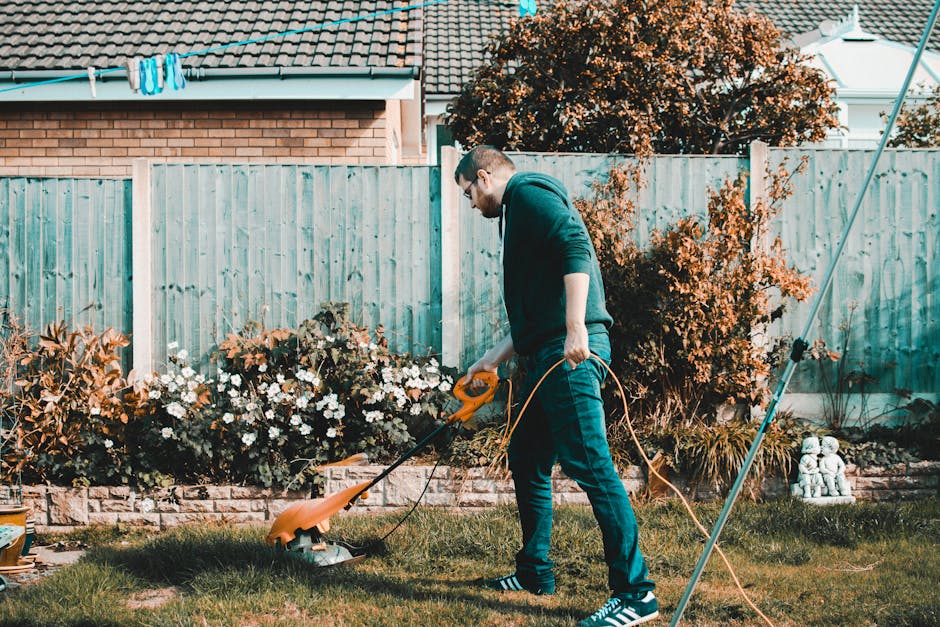
Real cost of garden maintenance in the UK explained

If you have ever looked at a garden that started out neat and then, somehow, turned into a weekly chore with a lawn that never stops growing, you already know why this topic matters. The real cost of garden maintenance in the UK explained is not just a question of pounds and pence. It is about time, frequency, garden size, access, seasonality, and how much work you actually want to take off your plate.
Let's be honest: one garden quote can look cheap at first glance, then the extras creep in. Hedge cutting, lawn care, clearance, green waste, stubborn weeds, and those awkward corners nobody enjoys touching. This guide breaks down what you are really paying for, what changes the price, where the value is, and how to decide whether a one-off visit or an ongoing maintenance plan makes more sense. If you want a broad sense of the services involved, it can help to look at garden maintenance services alongside specific tasks such as lawn mowing and hedge trimming.
There is no single "normal" price for every UK garden, and that is exactly the point. A tidy city patio and a large suburban plot with overgrown shrubs are two very different jobs. By the end, you will know how to read pricing properly, what to ask before booking, and how to avoid paying twice for the same job. That is the goal, anyway.
- Why the real cost matters
- How garden maintenance pricing works
- Benefits of paying for maintenance properly
- Who this is for
- How to budget and book it
- Expert tips for better value
- Mistakes to avoid
- Tools and practical recommendations
- Best practice, safety, and compliance
- Comparison of maintenance options
- Real-world example
- Practical checklist
- Conclusion
- Frequently asked questions
Why Real cost of garden maintenance in the UK explained Matters
Garden maintenance is one of those household costs people underestimate until the weeds are halfway up the fence. Then the question becomes less "Can I afford it?" and more "How did it get this far?" The real cost matters because garden work is often fragmented. A small job can be cheap, but a neglected garden can turn into several jobs at once.
Understanding the full cost helps you make a better decision. You are not only paying for a person with tools. You are paying for labour, time on site, travel, equipment wear, green waste handling, and the experience needed to do the job cleanly and safely. In practical terms, that means a quote is shaped by far more than lawn size.
There is also a hidden cost to doing it badly or late. Overgrown hedges can block light and cause neighbour friction. A patchy lawn can take more work to recover later. A garden clearance left too long can become physically harder, messier, and more expensive. Truth be told, early action is usually cheaper than rescue work.
Key takeaway: the real cost of garden maintenance is not just the invoice total. It is the combination of labour, frequency, access, waste, risk, and the long-term condition of the garden.
If your garden includes bigger structural elements or a complete redesign, pricing moves beyond routine maintenance and into broader work such as landscaping or even landscape gardening. That is where many homeowners get caught out, because the phrase "garden work" can cover a lot of ground. Quite literally.
How Real cost of garden maintenance in the UK explained Works
Most garden maintenance pricing in the UK is built from a few core factors. Some providers charge by the hour, some by the job, and some by a regular visit or contract. The method matters, because the same garden may be cheaper on a routine schedule than as a one-off after months of neglect.
Here is the practical breakdown.
1. Labour time
The biggest cost is usually time. A small lawn mow might be quick, but once you add edging, weeding, pruning, and tidy-up, the visit can stretch. A complicated garden with slopes, narrow paths, or lots of features can take longer than a larger but simpler one. Easy to say, harder to estimate until someone is actually there.
2. Scope of work
Garden maintenance is rarely just one task. It may include mowing, strimming, hedge trimming, deadheading, pruning, leaf clearing, watering advice, and green waste removal. If you only want one part of that list, the price is naturally lower. If you want the whole lot, it should be.
3. Access and site conditions
Front garden with easy parking? Straightforward. Rear access through a narrow side passage, uneven ground, or no nearby parking? That adds effort. Wet weather, compacted soil, steep banks, and heavy overgrowth can also make the job slower. You notice this most when the wheelbarrow has to go on a little journey of its own.
4. Frequency
Regular visits generally cost less per visit than rescue work because the garden is easier to manage. Weekly or fortnightly lawn mowing is a different job from trying to revive knee-high grass. The same idea applies to hedges and borders. Keep on top of it, and the work stays predictable.
5. Waste disposal
Green waste is not just "bits of garden stuff." It takes time to collect, load, and dispose of properly. Some jobs generate very little waste; others produce piles of branches, cuttings, and old growth. If you need a full clear-out, a service such as garden clearance may be more relevant than simple maintenance.
In everyday terms, a quote should reflect the real job, not just the visible one. The best quotes make that clear before work starts. If they do not, ask. A good provider should be happy to explain the breakdown in plain English.
Key Benefits and Practical Advantages
It is easy to think of garden maintenance as a cost. Fair enough. But in practical terms, it is often a control mechanism. It stops small issues from becoming large ones and keeps your outdoor space usable rather than slightly overwhelming every time you look out the window.
- Lower long-term spend: regular maintenance usually costs less than fixing neglect.
- Better kerb appeal: a tidy front or back garden improves the look of the whole property.
- Safer outdoor space: fewer slippery leaves, trip hazards, and obstructed paths.
- Healthier planting: pruning and weeding at the right time supports growth.
- Less weekend stress: you get your time back, which is no small thing.
There is also a less obvious benefit: consistency. A garden that is maintained regularly tends to be easier to manage emotionally, too. You walk outside, and it feels calm. Not perfect, just under control. That matters more than people admit.
If your garden includes trees or larger woody growth, costs can shift because those jobs need more care and sometimes more specialist handling. In those cases, a service like tree lopping and removal may sit alongside routine maintenance rather than replace it.
Who This Is For and When It Makes Sense
This topic is useful for a lot of people, not just homeowners with immaculate borders. In practice, the real cost of garden maintenance in the UK affects anyone who wants a garden that stays manageable without swallowing every spare evening.
Homeowners
If you own the property, regular maintenance helps protect the outdoor space and keeps it from becoming a bigger problem later. It is especially useful if you are planning to sell, rent out, or simply want the place to feel finished.
Landlords and property managers
For rental properties, a neglected garden can become a complaint magnet. It may also affect how a property is viewed during inspections or viewings. A simple, regular schedule is often more cost-effective than sporadic tidy-ups.
Busy families and older residents
Some gardens are not physically difficult to manage, but they are time-consuming. If life is already full, regular help can be a relief. For older residents, or for anyone with mobility limits, maintenance support can make the garden safer and more usable.
People with larger or more designed gardens
If your outside space includes decking, planted borders, sloped areas, or feature sections, maintenance becomes more technical. For example, a garden with hard landscaping and planting beds may need a combination of care, repair, and seasonal attention. That is where broader services such as decking services or landscaping can become relevant.
When does it make sense to book regular help? Usually when you notice one of these signs: the lawn is always behind, hedges are getting out of hand, weeds return before you have even finished one round, or the whole garden feels like a burden rather than a space. That is the moment, really.
Step-by-Step Guidance
If you want to estimate the real cost sensibly, do not start with the price list. Start with the garden itself. A proper estimate follows the job, not the other way around.
- List the tasks you need. Be specific. Lawn mowing, hedge trimming, pruning, clearing leaves, border weeding, and waste removal are all different things.
- Decide how often you need them. Weekly, fortnightly, monthly, seasonal, or one-off. Frequency changes cost dramatically.
- Check access and logistics. Think about parking, side access, gate width, steep paths, and whether waste can be taken away easily.
- Note any problem areas. Overgrowth, broken fence lines, stubborn ivy, tree branches, or waterlogged patches can all add time.
- Separate maintenance from restoration. If the garden needs a big reset, ask for clear-out work first and ongoing maintenance later.
- Ask what is included. Confirm whether edging, blowing down paths, green waste, and disposal are part of the quoted price.
- Compare like for like. Two quotes can look similar but cover very different scopes. Read carefully.
A simple example: a garden that has been maintained every two weeks for a year may only need a tidy visit. The same garden left alone over winter can need a bigger clean-up, extra waste handling, and more time. Same space, different cost. It happens all the time.
If you want structured pricing conversations, it helps to start with a clear quote request. You can review the company's pricing and quotes guidance before reaching out, which is a sensible first step rather than guessing in the dark.
Expert Tips for Better Results
After years of seeing the same patterns repeat, a few practical habits stand out. Nothing flashy. Just things that save money and hassle.
- Book before the garden becomes a project. The longer you leave it, the more likely you are to drift into clearance territory.
- Group tasks together. If a provider is already on site, it is often more efficient to combine mowing, trimming, and border tidy-up in one visit.
- Keep a seasonal rhythm. Spring and autumn are usually busier, so planning ahead helps.
- Tell the truth about the condition. It is tempting to say "just a quick tidy," but if there is overgrowth, say so. Everyone saves time.
- Ask about green waste handling. Not all quotes include it, and it can materially affect cost.
- Use maintenance to protect bigger investments. If you have new planting, decking, or carefully designed borders, routine care protects that spend.
One small, slightly boring tip that pays off: take a couple of photos before you ask for a quote. Front, back, and the awkward bits. It saves a lot of back-and-forth. Not glamorous, but very effective.
And yes, sometimes a quick bit of hedging or mowing now really is cheaper than a full-day rescue job later. Gardening has a habit of punishing delay.
Common Mistakes to Avoid
A lot of garden maintenance overspend comes from avoidable mistakes. The good news is that most of them are easy to fix once you know what to look for.
Only comparing the headline price
A lower quote is not always cheaper if it excludes waste removal, edging, or the extra time needed for awkward access. Check what is included before deciding.
Mixing up maintenance with clearance
A tidy-up and a clearance are not the same thing. If the garden has gone beyond routine care, the job may need a different service category. That distinction matters for cost and expectation.
Assuming every visit is the same
Seasonal growth changes everything. A summer visit may take longer than one in late winter. A small hedge in April can become a different beast by August.
Ignoring safety and access issues
If there are unstable areas, hidden debris, broken paving, or overgrown branches, the job can take more time and may need extra care. Mention it early. No one likes surprises with secateurs in hand.
Not planning for the long term
Some people pay for a one-off deep clean, then let the garden slide again. That can cost more across the year than a modest regular schedule. It is a bit like only servicing the car after it starts making noises.
Tools, Resources and Recommendations
You do not need a van full of kit to manage your garden well, but having the right basics makes a difference. For homeowners who prefer to handle light maintenance themselves between visits, useful tools usually include:
- a reliable lawn mower for regular grass cutting
- a strimmer or edging tool for finishing touches
- secateurs for small pruning jobs
- loppers for thicker stems
- gloves, a rake, and sturdy bags or bins for cuttings
- a simple notebook or phone note for seasonal tasks
That said, tools only help if the garden is being maintained in a manageable way. If the work is getting heavier, professional help is usually more efficient than buying bigger equipment every six months and hoping for the best.
For companies that value responsible working practices, it is also worth looking at how waste is handled and recycled. A provider's recycling and sustainability approach can tell you quite a lot about how they manage arisings and where they stand on environmental care. It is one of those quiet signals people often overlook.
If you are comparing providers, also pay attention to trust and service standards. Pages about insurance and safety and health and safety policy are useful because they show whether the company has thought through the practical side, not just the sales side.
Law, Compliance, Standards, or Best Practice
For general garden maintenance, there usually is not a complex legal framework from the customer's point of view. Still, there are sensible best practices that matter. Outdoor work often involves tools, ladders, sharp blades, lifting, and slip risks, so safety should never be treated as an afterthought.
In the UK, a professional provider should be careful about safe methods, proper waste handling, and clear communication around what is and is not included. If work involves trees, larger branch removal, or access near boundaries, extra caution is sensible. Some jobs may also need permission or coordination depending on location and ownership, especially where shared boundaries or protected features are involved. It is worth checking rather than assuming.
Best practice usually looks like this:
- clear written agreement on scope
- transparent pricing for labour and waste
- appropriate safety equipment
- careful handling of tools and machinery
- respect for neighbours, boundaries, and access routes
If a company publishes its policy documents, that can be a reassuring sign. You may not read every line, fair enough, but the presence of policies shows that the business is thinking beyond the immediate job. You can also review the company's about us page for a better sense of how it works and what it values.
Options, Methods, or Comparison Table
The most useful comparison is not "cheap versus expensive." It is "which maintenance method suits this garden right now?" Here is a simple way to think about it.
| Option | Best for | Typical upside | Main drawback |
|---|---|---|---|
| One-off tidy-up | Small reset jobs, pre-sale refreshes, seasonal clear-outs | Fast improvement, flexible timing | Can cost more per visit if the garden is badly overgrown |
| Regular maintenance visits | Busy households, rental properties, established gardens | Usually better value and more predictable | Needs ongoing scheduling |
| Seasonal maintenance | Gardens that only need heavier attention at key points in the year | Balanced cost and control | Can allow growth to build up between visits |
| Clearance followed by maintenance | Neglected gardens or properties that have been left for a while | Resets the space properly | Higher upfront cost, then ongoing spend after that |
For a lot of people, the best route is a reset followed by regular upkeep. It is not fancy. It is just the most sensible way to keep costs under control.
Case Study or Real-World Example
Imagine a semi-detached house with a modest back garden. The lawn has become patchy but still manageable. There are two hedges, a few borders, some leaf build-up, and a narrow side access. Nothing dramatic. Nothing that should cause stress, but enough to be annoying every weekend.
If the owner books a one-off visit after three months of neglect, the job might include mowing, edging, hedge trimming, border clean-up, and removal of waste. If the same garden is maintained every two weeks, each visit becomes much simpler. The grass never gets too long, the hedges stay trim, and the waste pile is smaller. The result is not just a lower overall cost over time, but a much calmer outdoor space.
Now add one more layer. If a section of fence line has been swallowed by bramble and ivy, the job starts edging into clearance work. That means more labour, more debris, and probably more time on site. Same house. Same garden. Very different invoice.
That is why the phrase real cost matters so much. The visible job is rarely the full job.
Practical Checklist
Use this quick checklist before you request a quote or agree to ongoing maintenance.
- Have I listed every task I want done?
- Is this routine maintenance, a one-off tidy, or a clearance job?
- Do I know how often I want the work carried out?
- Have I noted access issues, parking, gates, slopes, or heavy growth?
- Is green waste removal included?
- Do I understand what happens if the job takes longer than expected?
- Have I checked whether safety, insurance, and disposal are covered?
- Would a regular schedule save me money compared with occasional rescue work?
If most of your answers are uncertain, that is fine. It just means you probably need a clearer quote discussion before work begins.
Conclusion
The real cost of garden maintenance in the UK is not a single figure. It is a moving total shaped by your garden's size, condition, access, frequency, and the type of work involved. Once you understand those pieces, pricing stops feeling mysterious and starts feeling manageable.
For many households, the smartest approach is simple: keep on top of the basics, book properly when the garden needs a reset, and do not wait until every task has become a bigger one. That is where the value lives. Not in squeezing the cheapest possible quote, but in paying for the right work at the right time.
If you are weighing up whether to leave things another month or get the garden back under control now, the honest answer is usually to act sooner. The grass will keep growing, sadly enough.
Get a free quote today and see how much you can save.
Frequently Asked Questions
How much does garden maintenance usually cost in the UK?
It depends on the size of the garden, the tasks needed, how often work is carried out, and whether waste removal is included. A simple tidy-up is usually cheaper than a neglected garden that needs several jobs at once. The most reliable way to understand cost is to compare quotes based on the same scope of work.
Is regular garden maintenance cheaper than a one-off visit?
Usually, yes. Regular visits tend to be more efficient because the garden stays manageable. That means less time spent catching up, fewer waste-heavy jobs, and less chance of needing a bigger rescue job later. It is the sort of boring answer that happens to be true.
What factors make a garden quote more expensive?
Common cost drivers include overgrowth, difficult access, steep or uneven ground, heavy waste, hedge height, tree work, and whether the job includes more than one task. If the area has been neglected for a while, the price can rise quickly because the work becomes slower and messier.
What is the difference between garden maintenance and garden clearance?
Garden maintenance is ongoing care such as mowing, trimming, and weeding. Garden clearance is a heavier reset, usually for overgrown, cluttered, or neglected spaces. If the job involves a lot of cutting back and waste removal, it may be more of a clearance than normal maintenance.
Should I choose a weekly, fortnightly, or monthly service?
That depends on how quickly your garden grows and how much time you want to spend keeping it tidy. Lawns and fast-growing hedges often benefit from shorter intervals, while slower-growing or low-maintenance gardens may only need monthly or seasonal attention. There is no universal answer, annoyingly.
Does hedge trimming cost extra?
Often it does, unless hedge trimming is already included in the quoted maintenance visit. Taller or denser hedges may require more time and specialised equipment, which is why it is important to confirm exactly what the quote includes.
Can I save money by doing some jobs myself?
Yes, especially for lighter tasks such as sweeping, basic weeding, or simple tidying between visits. But if the job is physically demanding, time-consuming, or messy, paying for professional help can actually save money by preventing bigger issues later. Sometimes the cheapest option on paper is not the cheapest in practice.
Do I need to worry about waste disposal costs?
Yes, because green waste can add a noticeable amount of labour and disposal effort. Ask whether waste removal is included in the quote. If not, make sure you understand how cuttings, branches, and debris will be handled before the job starts.
Are trees and larger branches part of normal garden maintenance?
Not always. Larger branches or tree-related work may need a separate discussion because it often requires more care, time, and equipment. If your garden has mature trees or significant woody growth, it is sensible to ask whether the work falls under routine maintenance or a specialist service.
How do I know if a quote is fair?
A fair quote should clearly explain what is included, how long the work is expected to take, and whether waste removal, access issues, or extra tasks are part of the price. Compare at least two like-for-like quotes if you can. If one is much lower, check what is missing rather than assuming it is a bargain.
What should I ask before booking garden maintenance?
Ask what tasks are included, how often the work should be done, whether waste is taken away, what happens if access is difficult, and whether the provider has appropriate safety and insurance measures in place. Clear questions now usually mean fewer surprises later.
Where can I get help with ongoing garden care?
If you want support with routine upkeep, it helps to look at the provider's maintenance services and pricing information together so you can understand both scope and cost. That makes the decision much easier and a lot less guessy.